


Let the Product Care Label Lead
Fiber, construction, trim, lining, hardware, dyes, and finishes can change how a piece should be cleaned. Always follow the care instructions supplied with the specific item before applying general advice.
Avenelle Wardrobe Care
A thoughtful approach to caring for apparel, bags, footwear, jewelry, and everyday accessories so the pieces you rely on continue to look considered and feel ready to wear.
The Care Philosophy
Clothing and accessories are made to be worn. Good care protects their shape, finish, and usefulness without turning everyday ownership into a complicated routine.
Fiber, construction, trim, lining, hardware, dyes, and finishes can change how a piece should be cleaned. Always follow the care instructions supplied with the specific item before applying general advice.
Not every wear requires a full wash. Airing a garment, brushing away surface debris, wiping appropriate surfaces, reshaping a bag, or allowing footwear to rest can often be more useful than excessive cleaning.
Storage is part of care. Avoid crushing structured bags, overcrowding coats, folding items that are better supported on hangers, or leaving delicate jewelry tangled together.
Rotating footwear, outerwear, bags, and everyday clothing gives materials time to recover and helps reduce repeated stress in the same areas.
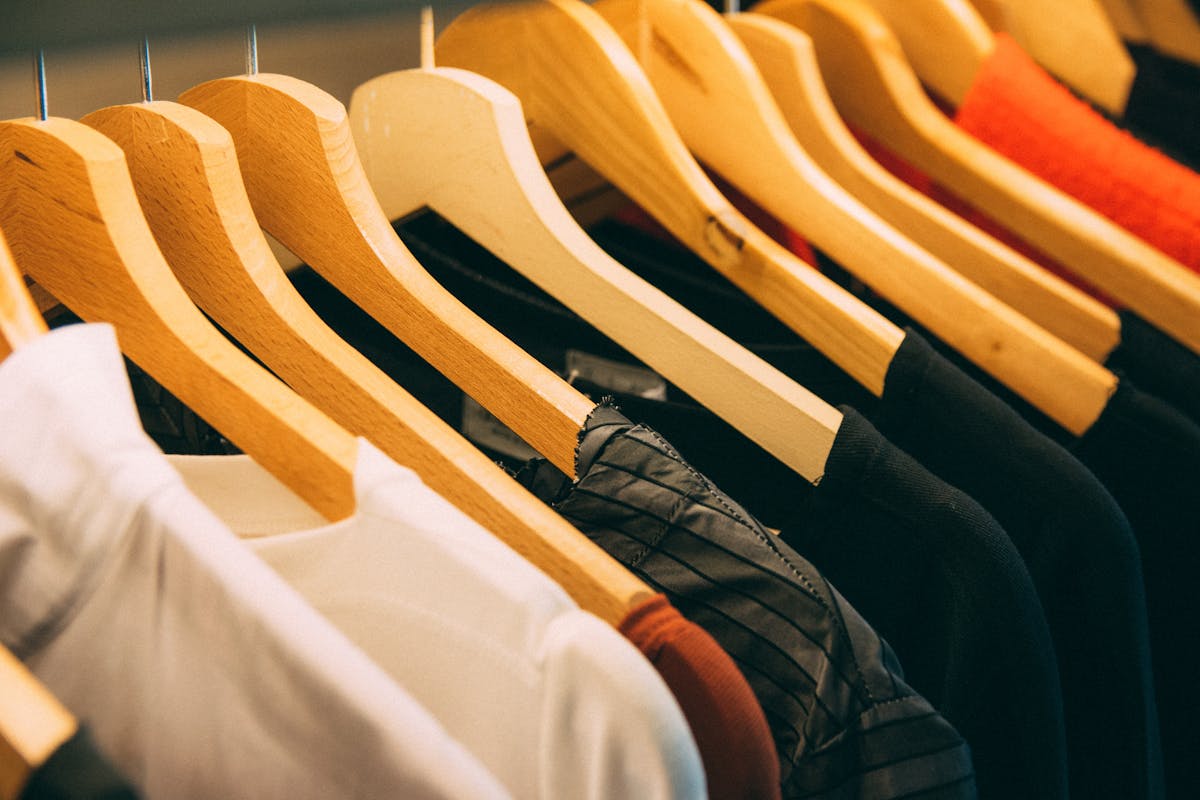
Everyday Routine
Small habits performed consistently can be more valuable than occasional intensive cleaning.
When you return home, empty bags, remove unnecessary weight from pockets, allow clothing to air, check footwear for surface debris, and separate jewelry before storage. These simple actions keep dirt, pressure, moisture, and tangling from becoming larger issues.
Before returning a garment to the closet, look at the areas that naturally receive more contact: collars, cuffs, hems, waistbands, underarms, bag handles, shoe straps, and jewelry closures. Addressing a small issue early is generally easier than ignoring it until the next wear.
Review the Core Principles →Care Index
Move directly to the category that matches your wardrobe.
Core Principles
These habits apply across categories, while the product-specific care label remains the first authority for cleaning.
Air garments before placing them back into enclosed storage, particularly pieces worn close to the body or under outer layers.
Leaving heavy objects inside a bag or garment can distort shape, strain seams, and create unnecessary pressure during storage.
Rotation gives shoes, coats, bags, and other frequently worn items time to recover before the next use.
Avoid compressing delicate garments, scratching jewelry against harder pieces, or storing bags where structured edges are forced out of shape.
Use the care label rather than assuming similar-looking pieces require the same wash, drying, ironing, steaming, or spot-treatment method.
Loose buttons, minor stitching issues, worn heel tips, or stressed bag hardware are easier to evaluate before they become larger problems.
Before Cleaning
Two pieces that look similar can contain different fibers, linings, trims, dyes, or finishes.
It contains the cleaning instructions intended for that specific product.
Follow the label before applying any general garment-care routine.
Cotton, denim, wool, synthetics, blends, and delicate fabrics can react differently to water, heat, agitation, and drying.
Do not assume the same wash method works across different fabrics.
Buttons, zippers, decorative hardware, linings, embellishments, and mixed materials may require additional care.
Inspect the entire piece, not only the main fabric, before choosing a cleaning method.
Dark, saturated, printed, or contrasting colors may require additional attention.
Follow label guidance on washing, separation, temperature, and drying.
Structured clothing, bags, hats, heels, and layered garments can depend on construction as much as surface material.
Avoid cleaning or storage practices that distort the intended shape.
Short-Sleeve Tops
Necklines, underarms, cuffs, and hems often show wear sooner than the rest of a top.
If the piece is suitable for another wear, allowing it to air can reduce unnecessary washing. Follow the care label when cleaning becomes necessary.
Inspect contact areas before washing so marks are not overlooked until after they have had more time to settle.
Heat can affect some fibers, trims, prints, and finishes. Use only the temperature and drying method indicated on the care label.
Some tops respond well to folding, while others benefit from hanging. Choose the method that supports the fabric and construction without stretching it.
Jeans
Denim benefits from thoughtful rotation, careful cleaning, and attention to high-friction areas.
Allow denim time outside a crowded closet after wear rather than immediately returning it to enclosed storage.
These areas often receive repeated abrasion. Early inspection helps identify wear before it becomes more pronounced.
Denim blends, stretch content, washes, dyes, and finishes vary. Follow the product-specific instructions rather than relying on one universal denim rule.
Rotate frequently worn jeans when possible so the fabric has time to recover between long days of wear.
Dresses
Dresses often combine larger areas of fabric with seams, closures, straps, shaping, prints, or delicate details.
A dress that stretches under its own weight may be better folded, while structured styles may benefit from suitable hangers. Follow the construction rather than habit.
Avoid catching straps, hooks, zippers, or decorative elements on neighboring garments.
When a mark appears, check the care label before applying water, detergent, stain treatment, heat, or other cleaning products.
Keep hems from bunching on closet floors or becoming compressed by shoes, boxes, or other stored items.
Wool Coats & Oversized Sport Jackets
Larger layers carry more structural weight, which makes the way they are hung, aired, and stored especially important.
Use a supportive hanger suited to the coat's shoulder width and avoid compressing the garment between tightly packed clothing. Let it air after wear and follow the care label before attempting cleaning or pressing.
Larger jackets can develop unnecessary creases when folded into small spaces. Store them with enough room to keep the intended volume and check cuffs, collars, pockets, and closures after frequent wear.
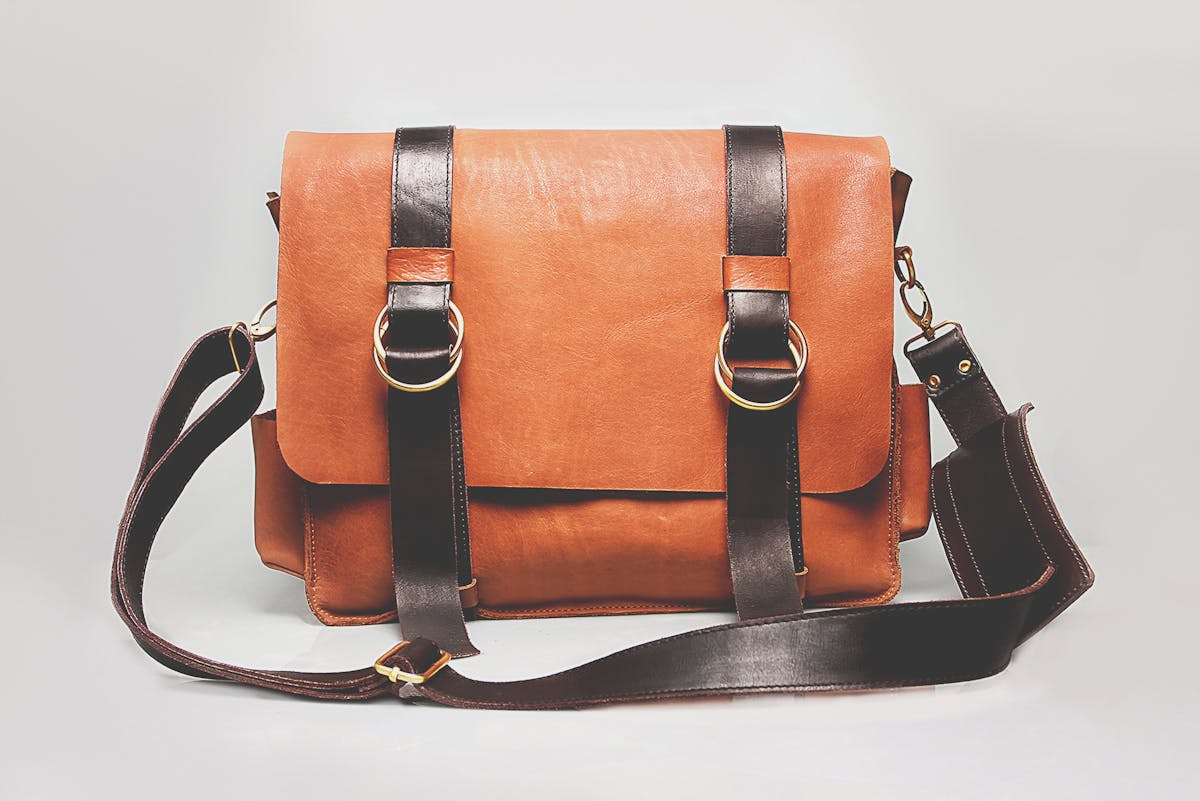
Crossbody & Tote Bags
A bag can change more from being overfilled or poorly stored than from ordinary light use.
Empty the bag after demanding days, remove receipts and unnecessary weight, and let the structure return to its intended form. If a strap is adjustable, store it so hardware is not pressed sharply into a delicate surface.
When cleaning, identify the bag's actual material first. Different fabrics, coated surfaces, synthetics, trims, and hardware require different methods. Avoid assuming a cleaner is suitable merely because it worked on another bag.
Use the Bag Care Routine →Bag Care Routine
Crossbody bags and totes serve different purposes, but both benefit from the same principle: remove unnecessary stress before storage.
Remove heavy or unnecessary items, especially objects that can create pressure points or distort corners.
Look at attachment points, adjustment hardware, and areas that receive repeated contact.
Use a method appropriate to the bag's material and follow product-specific guidance where available.
Allow the bag to sit naturally rather than storing it collapsed, sharply folded, or under heavier objects.
Keep structured edges, handles, and decorative hardware away from objects that could leave impressions or scratches.
Heels & Sandals
Shoes experience repeated pressure, movement, and contact with outdoor surfaces, so rotation and timely inspection matter.
Check heel tips, soles, straps, fastenings, and high-contact areas after wear. If a heel component appears unstable or significantly worn, avoid continuing to wear it until the issue is assessed.
Sandals expose straps, footbeds, edges, and fastenings to frequent contact. Check these areas regularly and allow the pair to dry fully before enclosed storage if exposed to moisture.
Hats & Jewelry
Accessories may take up less space, but their shape, finish, fastenings, and surfaces can be sensitive to careless storage.
Keep hats away from heavy objects that flatten crowns or bend brims unintentionally. When cleaning is needed, consider the material, structure, lining, and care instructions before introducing moisture or heat.
Store jewelry in a way that reduces tangling, friction, and unnecessary contact between pieces. Material and finish matter when choosing a cleaning method, so avoid treating every item the same.
Material Reference
Use this table as a reminder of what to evaluate, not as a replacement for the product care label.
Closet Storage
Storage should protect the silhouette rather than merely fit as much as possible into the smallest area.
Leave enough space between larger layers so shoulders, sleeves, collars, and closures are not repeatedly compressed.
Keep stacks manageable so lower garments are not crushed under excessive weight and individual pieces remain easy to remove.
Support structured bags, keep handles in natural positions, and avoid pressing hardware into neighboring surfaces.
Store heels and sandals where straps, uppers, and heel structures are not crushed by heavier items.
Separate pieces enough to reduce tangles and surface friction, particularly for chains, delicate finishes, and decorative details.
Review pieces before longer storage, address visible issues, and ensure items are appropriately clean and fully dry.
Seasonal Reset
A seasonal reset keeps small maintenance tasks from accumulating into larger ones.
Check wool coats, jackets, bags, and shoes that have spent more time in storage. Restore shape and review any care needs before returning pieces to regular use.
Review dresses, short-sleeve tops, sandals, hats, and lighter bags before the season becomes more active.
Bring oversized sport jackets and heavier bags forward, checking pockets, closures, hardware, and storage creases.
Make enough closet space for coats and ensure footwear has room to dry, rest, and retain its structure between wears.
At-Home Care Kit
A useful care kit is selective. It should help with routine upkeep without encouraging aggressive cleaning.
Keep a mix of hangers suited to lighter garments, dresses, jackets, and heavier outerwear so shoulder shapes are properly supported.
Soft, clean cloths can be useful for suitable surface care, but only use them with cleaning methods appropriate to the product material.
A suitable garment brush may help remove light surface debris from compatible fabrics without immediately resorting to full cleaning.
Separate jewelry, small accessories, and delicate pieces so they are easier to see and less likely to rub against each other.
Appropriate internal support can help some bags maintain their intended shape during storage without stretching or overfilling them.
Give heels and sandals enough room so straps, soles, decorative surfaces, and heel structures are not crushed.
Common Care Mistakes
Similar-looking clothing can contain different fibers, trims, linings, dyes, or finishes.
Use the product care instructions, not the routine you use for another garment.
High heat can affect some fabrics, finishes, adhesives, trims, and structures.
Follow label instructions for drying, ironing, pressing, and steaming.
Excess weight can change the bag's shape and increase stress around straps, handles, corners, seams, and closures.
Choose a bag size that reflects what you actually need to carry.
If clothing, shoes, hats, or bags have been exposed to moisture, allow them to dry appropriately before enclosed storage.
Follow product-specific guidance where special handling is required.
Loose stitching, damaged closures, worn heel components, and stressed hardware deserve attention.
Continuing to use a piece can turn a manageable issue into a larger one.
Overcrowding can compress shoulders, crease garments, distort bags, and make delicate accessories harder to store safely.
A little empty space is useful care infrastructure.
Travel Care
Travel compresses a wardrobe into unfamiliar spaces. A little planning helps bags, garments, shoes, and accessories arrive ready to wear.
The goal is not to eliminate every crease. It is to reduce unnecessary pressure, tangling, abrasion, and structural distortion.
A smaller group of clothing that works together creates more room for careful packing and reduces unnecessary compression.
Avoid flattening a structured bag beneath heavy clothing or placing hard objects against surfaces that can mark.
Keep shoe soles and hardware from rubbing directly against garments or delicate accessories during transit.
Separate chains, earrings, and delicate pieces so they are less likely to knot or scratch each other.
Remove clothing, bags, footwear, and accessories from compressed luggage so they can return to their natural shape.
Repair Mindset
Maintenance is part of ownership. Knowing when to stop wearing a piece and seek appropriate repair can protect both the item and the way it functions.
Loose buttons, opening seams, damaged closures, or stressed stitching deserve attention before continued wear places more load on the area.
Strap attachments, handles, closures, and hardware that no longer feel secure should be assessed before the bag carries heavy contents again.
Significant wear to heel tips, soles, fastenings, or structural components should be evaluated before further wear.
A clasp or fastening that no longer closes reliably can turn a small maintenance issue into a lost piece.
Avoid aggressively forcing a structured hat back into shape. Material, reinforcement, and construction determine the appropriate approach.
Complex stains, specialty fabrics, structural repairs, delicate finishes, and significant damage may be better handled by an appropriate professional.
While You Decide
Avenelle provides free returns and exchanges within 30 days, giving you time to consider fit, proportion, comfort, and how a piece works with your wardrobe.
When evaluating a new garment, bag, shoe, or accessory, avoid unnecessary wear or exposure until you know whether you intend to keep it.
Preserve relevant packaging where practical and review the piece promptly after delivery so questions can be addressed while order details remain easy to locate.
Review Care Questions →Avenelle Support
Product information, order details, and the specific care concern can make a support conversation clearer and more efficient.
Avenelle provides 24/7 customer support, free shipping on all products, delivery in 3–5 business days, and free returns and exchanges within 30 days.
If you need order-related assistance or have a question that requires support, use the Avenelle contact page.
Contact AvenelleQuestions, Answered
Each answer remains closed until you choose to open it, keeping the guide clean and easy to scan.
Follow the care label supplied with the specific product first. This page provides general wardrobe-care principles, but the individual label reflects the product's fibers, construction, trims, dyes, finishes, and cleaning requirements.
Cleaning frequency depends on the garment, how it was worn, contact with the body, visible soil, odor, fabric, and the product care instructions. Airing a suitable garment between wears can sometimes reduce unnecessary washing.
Empty unnecessary contents, allow the bag to return to its natural shape, and store it without heavy pressure on the body, handles, straps, corners, or hardware. Cleaning and conditioning methods should match the bag's actual material.
Give the coat appropriate shoulder support, remove heavy objects from pockets, let it air after wear, and avoid overcrowding it in storage. Follow the garment label for cleaning, pressing, or steaming.
Air denim between wears, inspect high-friction areas such as hems and pocket edges, rotate frequently worn pairs when practical, and follow the specific care label for washing and drying.
Store pieces in a way that reduces tangling and friction. Keep delicate items separated from harder surfaces and identify the actual material and finish before choosing a cleaning or polishing method.
Not automatically. Bags and shoes can use different materials, coatings, dyes, trims, hardware, and finishes. Match any cleaning method to the specific product rather than assuming one treatment suits multiple categories.
Rotate pairs when practical, inspect heel tips, soles, straps, and closures, remove surface debris using an appropriate method, and avoid continued wear if a structural component appears damaged or unstable.
Refer to the product care label and allow the garment to dry using a method appropriate to its material and construction. Avoid enclosing a damp item in storage.
Store it where the crown and brim are not crushed by heavier objects. Avoid forcing a structured hat into a shape it was not designed to hold.
Review each item, address visible care needs, ensure it is appropriately clean and fully dry, empty pockets and bags, and choose storage that supports the item's intended shape.
No universal steaming method is appropriate for every garment. Heat and moisture can affect fabrics, finishes, trims, adhesives, and construction differently. Check the product care instructions first.
Reduce further stress on the area and consider appropriate repair before continued wear or use makes the issue larger.
Avenelle provides free returns and exchanges within 30 days.
Yes. Shipping is free on all Avenelle products, and the delivery window is 3–5 business days.
Yes. Avenelle provides 24/7 customer support.
No. Selected items may be available for a limited-time 18% off, but each product should still be cared for according to its own label, construction, and material requirements.