Avenelle Editorial Guide

Bag & Wardrobe Guide

A practical, polished approach to pairing bags, clothing, footwear, and finishing accessories for everyday life.

24/7 Customer Support
Free Shipping on All Products
Delivery in 3–5 Business Days
Free Returns & Exchanges Within 30 Days

The Avenelle Method

Dress From Function, Then Refine the Mood

Start with what the day requires, then use proportion, texture, and accessories to make the result feel personal.

01 / Function

Choose for the Day You Actually Have

Consider how much you need to carry, how far you will walk, whether the weather may shift, and how many settings your outfit needs to move through. A tote makes sense when capacity leads. A crossbody is stronger when mobility matters. The same logic applies to shoes, layers, and fabrics.

02 / Proportion

Let One Shape Lead

A streamlined dress works naturally with a compact crossbody. Wide or relaxed denim gains clarity from a more defined top. An oversized sport jacket feels intentional over a narrower base. Strong outfits rarely make every piece equally loud; they establish one shape and let the others support it.

03 / Finish

Use Accessories as the Final Edit

Jewelry, hats, heels, sandals, and bags can change the entire register of familiar clothing. Use them to sharpen, soften, or redirect a look rather than simply adding decoration. The finishing piece should clarify the outfit, not compete with it.

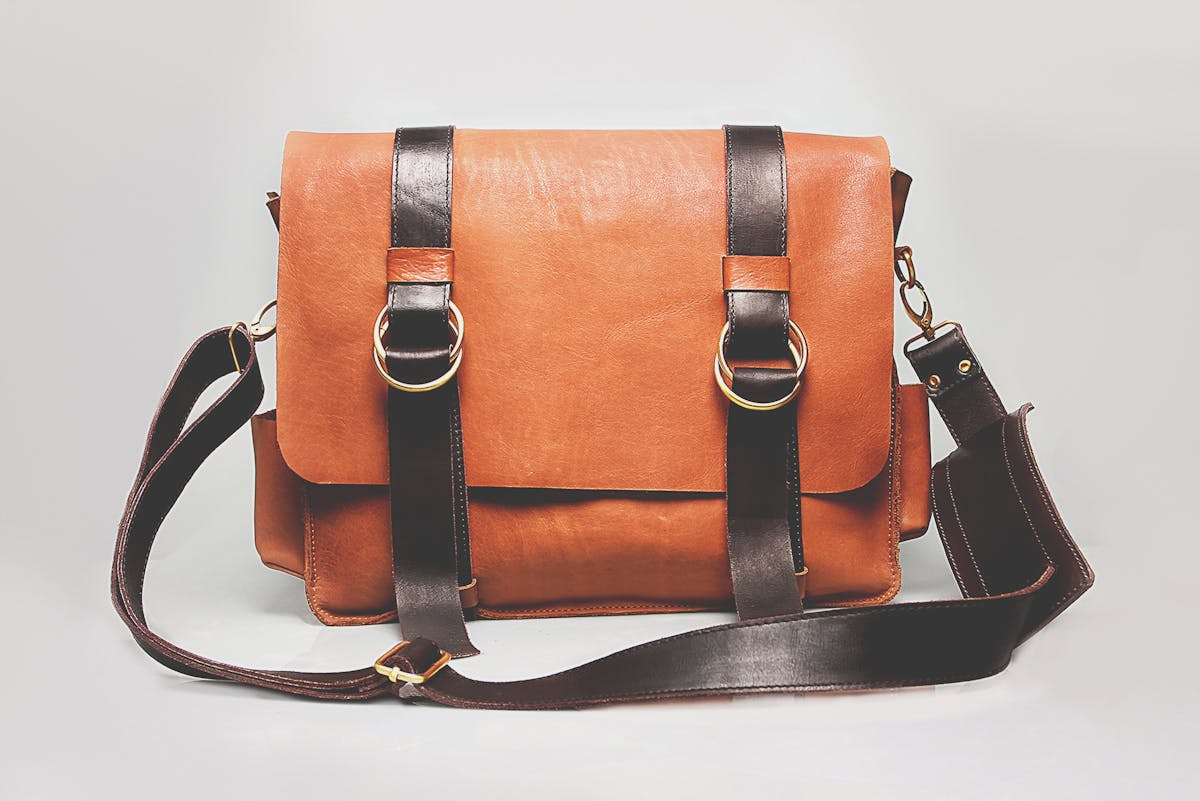
Structured everyday handbag styled as a refined wardrobe accessory
Bag Study Scale · Structure · Carry

Bag First

Choose the Carry That Matches Your Pace

Bags shape both the function and visual balance of an outfit. The right one should make the day easier while fitting naturally into the silhouette.

A crossbody bag keeps essentials close and hands free, making it a natural partner for dresses, denim, travel days, and walking-heavy schedules. A tote bag brings capacity and visual weight, which works especially well with simple clothing, larger layers, and days that require more than the basics.

Think about where the bag sits, how much it holds, and whether its scale supports the clothing around it. A bag that is visually too large can overwhelm a light dress; one that is too small may feel disconnected from an oversized coat.

Compare Crossbody and Tote Bags

Wardrobe Index

Build Around Pieces That Repeat Well

Use the guide as a practical map for creating more combinations from the categories already in your wardrobe.

Bag Comparison

Crossbody or Tote?

Neither is universally better. The stronger choice depends on mobility, capacity, proportion, and the kind of outfit you are building.

Consider
Crossbody Bag
Tote Bag
Best For

Walking, travel, errands, compact essentials, and days when hands-free movement matters.

Workdays, longer outings, extra layers, books, larger essentials, and moments when capacity comes first.

Visual Effect

Adds a precise diagonal line and a concentrated point of focus without taking over the outfit.

Adds visual weight and presence, often balancing oversized layers, denim, or simpler silhouettes.

Pair With

Dresses, short-sleeve tops, jeans, sandals, heels, and lightweight jackets.

Jeans, wool coats, oversized sport jackets, easy dresses, and all-day footwear.

Styling Rule

Adjust the strap so the bag lands where it strengthens the silhouette rather than cutting across its widest point.

Keep the rest of the outfit visually clear so the larger bag reads as intentional rather than heavy.

Repeatable Dressing

Four Wardrobe Formulas That Make Mornings Easier

A formula is not a uniform. It is a dependable structure you can vary through color, texture, accessories, and footwear.

Formula 01 Everyday Ease

Short-Sleeve Top + Jeans + Crossbody

Start with a clean top and denim shape you already trust. Add a compact crossbody for definition and finish with sandals for an easy day or heels when you want a sharper line.

Formula 02 Single-Piece Clarity

Dress + Small Bag + Jewelry

Let the dress carry the main silhouette. Keep the bag compact and use jewelry to draw attention toward the face and neckline. This formula works especially well when the dress already has color, movement, or print.

Formula 03 Layered Balance

Jeans + Refined Top + Oversized Jacket

Use the jeans and top as the streamlined foundation, then introduce volume through the jacket. A crossbody keeps the shape controlled, while a tote can emphasize the relaxed scale.

Formula 04 Cool-Weather Structure

Wool Coat + Simple Base + Strong Bag

A wool coat already creates a decisive outer line. Keep the layers underneath simple, then choose a bag with enough presence to feel intentional beside the coat rather than disappearing against it.

Woman in a polished fashion look illustrating proportion and everyday wardrobe styling
Wardrobe Study Line · Balance · Movement

Proportion

Balance Volume With Definition

Proportion is what makes familiar pieces look deliberate. Use contrast between relaxed and refined shapes to give the outfit structure.

If your trousers or jeans are wide, a closer-fitting top can create clarity. If your jacket is oversized, keep the bag and base layer more controlled. If your dress is fluid and long, a small bag or defined shoe can keep the silhouette from feeling visually loose.

Accessories change proportion too. Hats extend the silhouette upward. Crossbody straps create diagonal structure. Heels shift posture and proportion. Totes add weight, while jewelry introduces small points of light near the face.

Use the Proportion Checklist

Before You Leave

A Five-Point Proportion Check

Look at the outfit as one composition. These checks help refine the balance without encouraging over-styling.

1

Where Is the Volume?

Identify the largest silhouette in the outfit, then avoid adding equally strong volume everywhere else.

2

Where Does the Bag Land?

Adjust strap length or carry position so the bag reinforces the shape instead of interrupting it awkwardly.

3

What Is the Visual Focus?

Decide whether the lead element is the dress, jacket, bag, jewelry, or shoe. Let the remaining pieces support it.

4

Does the Footwear Match the Pace?

The shoe should make sense for the day and complete the silhouette rather than forcing the outfit into a mood it cannot sustain.

5

Can Anything Be Removed?

If the outfit feels busy, remove one accessory before adding another. Restraint often creates the strongest finish.

Finishing Pieces

Use Accessories to Change the Register

The same clothing can feel more relaxed, more refined, or more expressive depending on the accessories that complete it.

01 / Hats

Add Shape Above the Shoulder

Hats influence the outline of the whole look. Keep jewelry quieter when the hat is visually strong, and use simpler clothing when you want the hat to become the defining detail.

02 / Jewelry

Create Light, Not Noise

Jewelry works best when it supports the neckline and face. Layer delicate pieces when the clothing is simple, or select one more expressive element when the outfit already has enough structure.

03 / Heels

Sharpen the Line

Heels can change posture, proportion, and mood quickly. Use them when you want denim or a simple dress to feel more directed, while keeping the bag clean and deliberate.

04 / Sandals

Keep Warm-Weather Looks Open

Sandals support lighter silhouettes and relaxed pacing. Clean shapes make them easier to pair with dresses, denim, and pared-back summer outfits without losing polish.

05 / Crossbody Bags

Bring Focus to the Center

A compact crossbody can organize a loose outfit by adding a clean line through the torso and a precise point of weight near the waist or hip.

06 / Tote Bags

Balance Practical Capacity

The larger scale of a tote suits simple clothing and generous layers. Let the bag hold visual presence while the rest of the outfit remains edited and clear.

Seasonal Wardrobe

Shift the Same Foundation Through the Year

A versatile wardrobe does not need to reinvent itself each season. It needs layers, footwear, and accessories that change the feel of familiar pieces.

Warm Days

Lighten the Silhouette

Choose short-sleeve tops, dresses, sandals, and compact bags. Use jewelry or a hat as the finishing layer when another piece of clothing would add unnecessary weight.

Transitional Days

Add One Flexible Layer

An oversized sport jacket can move over dresses or denim without changing the base outfit completely. Keep the bag practical enough to hold small seasonal extras.

Cooler Days

Let the Coat Lead

A wool coat creates the main structure. Keep the base relatively simple, then add a bag, shoe, or piece of jewelry that gives the look a deliberate finish.

Travel & Weekends

Pack by Outfit Relationships, Not Individual Pieces

Travel becomes simpler when every packed item has at least two clear partners. A small wardrobe can still feel varied when the pieces share proportion and purpose.

Choose One Primary Bag

A crossbody works for movement-heavy itineraries. A tote is useful when you need capacity for a layer, reading material, or travel essentials. Avoid packing several bags that serve the same purpose.

Repeat the Bottoms

Jeans can support several tops, jackets, and shoes. Repeating a reliable bottom allows you to create variety through upper layers and accessories without overpacking.

Use a Dress as a Complete Look

A dress offers high visual impact with very little packing complexity. Change the mood with sandals, heels, jewelry, or a lightweight outer layer.

Pack Finishing Pieces Intentionally

Choose jewelry, a hat, and footwear that can work across multiple outfits. The goal is not to pack every option, but to create useful variation with a small number of details.

Care & Longevity

Keep the Pieces You Reach For Looking Their Best

A useful wardrobe deserves practical care. Small habits can help clothing, bags, shoes, and jewelry keep their shape and finish between wears.

Give Bags Their Shape Back

Empty bags after use, remove unnecessary weight, and store them in a way that supports their form. Avoid overfilling, which can strain handles, seams, and structure.

Rotate Footwear

Allow heels and sandals time to rest between wears when possible. Wipe away surface dirt and keep pairs stored so straps, uppers, and shape are not crushed.

Respect the Fabric

Follow the garment care instructions for dresses, tops, jeans, wool coats, and jackets. Different materials respond differently to heat, water, cleaning, and storage.

Store Jewelry Separately

Reduce tangling and surface friction by keeping pieces separated when possible. Put jewelry on after lotions and fragrance have settled, and remove it before activities that may expose it to moisture or abrasion.

Real-Life Dressing

Match the Outfit to the Rhythm of the Day

A useful wardrobe responds to real schedules. Start with how you need to move, then refine the silhouette and finishing pieces.

Morning to Afternoon

Errands & Everyday Movement

Pair jeans with a short-sleeve top, comfortable sandals, and a crossbody bag. The formula keeps your hands free, creates a clean center line, and stays practical when the day includes walking, quick stops, and spontaneous plans.

Workday

Polished Without Feeling Formal

Use a clean dress or refined denim as the base, then add a tote for capacity and a restrained piece of jewelry for finish. An oversized sport jacket can add structure while keeping the mood modern and relaxed.

Late Afternoon

From Day Plans to Dinner

Keep the clothing foundation simple enough to transition. Swap sandals for heels, add a more defined piece of jewelry, or move from a practical tote to a compact crossbody when you want the look to feel lighter and more directed.

Weekend

Relaxed, Still Considered

A dress, easy denim, or a loose jacket can do most of the work. Let one accessory create the point of view: a hat for shape, a tote for everyday practicality, or a crossbody when the plan calls for movement.

Color & Texture

Create Interest Without Overcomplicating the Outfit

When the palette is restrained, texture can carry the visual depth. When the color is expressive, simpler surfaces keep the look composed.

Let Denim Ground the Look

Denim introduces familiar texture and a casual foundation. Pair it with smoother bags, polished jewelry, or a clean top when you want contrast without making the outfit feel busy.

Use Wool for Quiet Structure

Wool coats naturally add depth and softness. Because the fabric already has visual substance, keep the bag and accessories deliberate rather than overly detailed.

Repeat Color in Small Doses

A tone from a dress can reappear in jewelry, a shoe, or a bag detail. The repetition does not need to be exact; a subtle relationship is often more refined than perfect matching.

Use Black as an Anchor

Black accessories can give definition to soft or colorful outfits. A dark bag, heel, or hat can establish a strong visual point while allowing the clothing to remain expressive.

Keep One Surface Quiet

If the dress is patterned, let the bag or shoe be simpler. If the bag carries strong texture, use cleaner clothing nearby. The eye benefits from contrast between activity and calm.

Think Beyond Matching

The goal is coherence, not sameness. Pieces can differ in tone, texture, and finish while still belonging together when the overall proportion and visual weight feel balanced.

Styling Matrix

Use the Bag to Guide the Rest of the Outfit

A quick reference for balancing bag type, clothing shape, footwear, and finishing pieces.

Starting Point
Clothing
Footwear
Finish
Compact Crossbody
Dress, jeans with a clean top, or a narrow base beneath an oversized jacket.
Sandals for ease or heels when you want a sharper finish.
Light jewelry or one hat with clear shape.
Everyday Tote
Simple denim, a wool coat, or relaxed layers with enough visual scale to balance the bag.
Stable, walkable footwear that supports a longer day.
Keep jewelry controlled so the larger bag remains the main accessory.
Printed Dress
Let the dress remain the full visual statement and avoid competing layers.
Clean sandals or a simple heel.
Choose a quieter bag and selective jewelry.
Oversized Jacket
Use a more defined base such as jeans with a fitted top or a streamlined dress.
Keep the shoe shape clean to prevent the silhouette from feeling heavy.
A small crossbody can create control; a tote can emphasize the relaxed scale.

Closet Audit

Know What You Wear Before You Add Something New

A more useful wardrobe often begins with observation. This audit helps identify your strongest pieces and the gaps that actually matter.

The goal is not to remove personality or reduce your wardrobe to a fixed number. It is to understand which relationships already work, which categories repeat successfully, and where one thoughtful addition could create several new combinations.

Identify Your Five Most-Worn Pieces

Include clothing, bags, and shoes. These pieces reveal more about your real style than items you admire but rarely wear.

Notice Repeated Silhouettes

Do you consistently choose straight jeans, fluid dresses, oversized jackets, compact bags, or simple tops? Repetition is useful information, not a problem to solve.

Find the Missing Relationship

Instead of asking what category you do not own, ask which favorite piece lacks a good partner. That may reveal a more useful reason to shop.

Check Whether the Bag Suits the Day

If you repeatedly overfill a crossbody, you may need a tote. If a tote feels cumbersome, a smaller hands-free option may better match your pace.

Choose Additions That Multiply Outfits

Prioritize pieces that work with at least two or three existing favorites. That is where versatility becomes practical rather than abstract.

Before You Choose

Make Every New Piece Earn Its Place

A strong wardrobe grows through useful relationships, not isolated purchases.

Ask What It Adds

A new piece should solve a real styling or practical need. It may bring a different proportion, add seasonal flexibility, improve carry capacity, or offer a finishing detail your current wardrobe lacks.

  • Can I style it with at least three pieces I already wear?
  • Does it fit the pace and climate of my everyday life?
  • Is its role different from something I already own?
  • Would I still choose it without a special occasion?

Ask What It Replaces

Sometimes the right purchase is an improved version of a role you already rely on: a better everyday bag, a more useful layer, a dress with a stronger fit, or footwear that better matches your actual routine.

  • Will this become a frequent choice rather than an occasional one?
  • Does the proportion work with my favorite silhouettes?
  • Can I care for it realistically?
  • Does it support the way I want to dress now?

Guide Glossary

A Few Useful Styling Terms

Simple language for the ideas used throughout this guide.

Term 01

Visual Weight

How heavy or light a piece appears in the outfit. Size, color, texture, and structure all affect visual weight.

Term 02

Proportion

The relationship between the sizes and shapes of different pieces, such as an oversized jacket with a narrower base.

Term 03

Anchor Piece

The item that visually grounds the look, often a coat, bag, pair of jeans, or strong shoe.

Term 04

Finishing Piece

An accessory that clarifies the final mood, such as jewelry, a hat, a bag, heels, or sandals.

Term 05

Wardrobe Formula

A repeatable outfit structure that can be varied through color, texture, layers, and accessories.

Term 06

Styling Hierarchy

The order in which the eye notices the outfit. A clear hierarchy lets one element lead while the others support it.

Capacity Check

Carry What the Day Requires, Not Everything You Own

Bag size works best when it reflects your routine. A useful bag should reduce friction, protect its shape, and make essentials easier to reach.

Before choosing size, list what you genuinely use during a normal day. If a bag needs to be overfilled to function, it is probably too small. If you routinely carry large empty space, a more compact option may feel lighter and more intentional.

Light Carry

Phone, card case, keys, lip color, and a small personal essential. A compact crossbody usually supports this load comfortably.

Daily Carry

Add sunglasses, a small notebook, compact cosmetics, and a few practical extras. A medium crossbody or streamlined tote may fit best.

Full Day

Include a light layer, larger wallet, book, or workday essentials. A tote is usually the more balanced choice because it distributes volume naturally.

Travel Day

Consider one primary tote for capacity and a compact crossbody for valuables and frequent-access essentials. Keep each bag assigned to a clear role.

Style Diagnostics

When an Outfit Feels Off, Check the Relationship Between Pieces

Most styling problems are not caused by one wrong item. They come from competing scale, unclear focus, or a mismatch between function and mood.

If the Outfit Feels Heavy

Reduce Visual Weight

Swap a large tote for a smaller crossbody, choose a cleaner shoe, or remove one layer. Keep the largest silhouette, then simplify the pieces around it.

If the Outfit Feels Plain

Add One Defined Detail

Introduce jewelry, a hat, a stronger bag shape, or a more deliberate shoe. One focused addition is usually more effective than several small ones.

If the Outfit Feels Unbalanced

Check Scale From Top to Bottom

If volume is concentrated in the jacket or trousers, add definition elsewhere. A fitted top, compact bag, or cleaner shoe can restore proportion quickly.

If the Outfit Feels Too Coordinated

Break the Match Slightly

Introduce a different texture, shift one color family, or use an accessory with a distinct finish. Personal style often appears in the controlled mismatch.

Current Edit

Selected Styles, 18% Off for a Limited Time

Explore selected Avenelle pieces across apparel, bags, footwear, and accessories while the seasonal offer is available.

Review the Wardrobe Index

A promotion is most useful when it helps you complete a wardrobe relationship rather than simply add another item. Consider the piece you already wear most, then choose something that extends its possibilities: a new layer for denim, a bag that suits your daily pace, or a finishing accessory that changes how a favorite dress feels.

Shopping With Avenelle

Style Should Feel Considered Before and After Checkout

Our service standards are designed to make choosing, receiving, and living with your pieces straightforward.

Avenelle provides 24/7 customer support, free shipping on all products, delivery in 3–5 business days, and free returns and exchanges within 30 days. If you need help before or after an order, our contact page is the single place to reach us.

Contact Avenelle

Questions, Answered

Bag & Wardrobe Guide FAQ

These answers stay closed until you choose to open them, keeping the guide easy to scan.

How do I choose between a crossbody bag and a tote bag?

Choose a crossbody when movement and compact essentials are the priority. Choose a tote when you need more capacity, want to carry a layer or larger items, or prefer a bag with more visual presence. The strongest choice is the one that suits both the day and the proportions of the outfit.

What bag size works best with dresses?

A compact or medium bag often works well because it preserves the line of the dress. If the dress is very simple or structured, a larger tote can also work, especially when you want the bag to become a stronger visual element.

How can I make jeans feel more refined?

Pair them with a clean short-sleeve top, a well-proportioned bag, and deliberate footwear. Heels can sharpen the line, while jewelry adds polish near the face. An oversized jacket or wool coat can add structure without making the look overly formal.

How many accessories should I wear at once?

There is no fixed number, but the outfit benefits from a clear hierarchy. If the hat is strong, keep the jewelry quieter. If the bag is highly expressive, let other accessories recede. When the look feels busy, remove one element and reassess.

What is the easiest way to build a more versatile wardrobe?

Start by identifying the pieces you already repeat most. Add items that create new combinations with those favorites rather than introducing isolated pieces that require an entirely new set of outfits. Versatility comes from relationships between pieces.

How should I style an oversized sport jacket?

Use a more defined base underneath, such as a fitted top with jeans or a clean dress silhouette. A smaller crossbody can control the volume, while a tote can emphasize the relaxed scale if that is the mood you want.

How should I incorporate a wool coat into everyday looks?

Let the coat create the main outer shape, then keep the clothing underneath simpler. Use footwear and the bag to determine whether the final result feels relaxed, polished, or more directional.

When should I choose heels instead of sandals?

Choose heels when you want a sharper line, more elevation, or a more dressed-up mood. Choose sandals when comfort, warm weather, and visual openness are more important. In both cases, match the shoe to the pace of the actual day.

What does Avenelle offer for shipping and returns?

Avenelle offers free shipping on all products, delivery in 3–5 business days, and free returns and exchanges within 30 days. Customer support is available 24/7.

Is the 18% offer available on every item?

No. The 18% offer applies to selected items for a limited time. Availability may vary, so review the current selection while the promotion is active.